
Toxic Skincare Ingredients to Avoid: The Ultimate Guide
Quick Answer Avoid toxic skincare ingredients like parabens and phthalates to protect your hormonal balance and overa...

It's a ritual that has been passed down through generations, evolving with the times yet retaining its core essence.
The history of traditional shaving is a fascinating journey. It takes us back to the days of straight razors, wet shaving, and shaving brushes.
This journey is not just about the tools and techniques. It's also about the societal views on facial hair, the craftsmanship of shaving tools, and the ritualistic aspect of the process.
In this article, we'll delve into the rich history of traditional shaving. We'll explore its origins, its evolution, and its resurgence in the modern world.
Whether you're a shaving enthusiast, a history buff, or a startup founder in the grooming industry, this narrative will connect you to the tradition of classic shaving.
The roots of traditional shaving trace back to ancient civilizations.
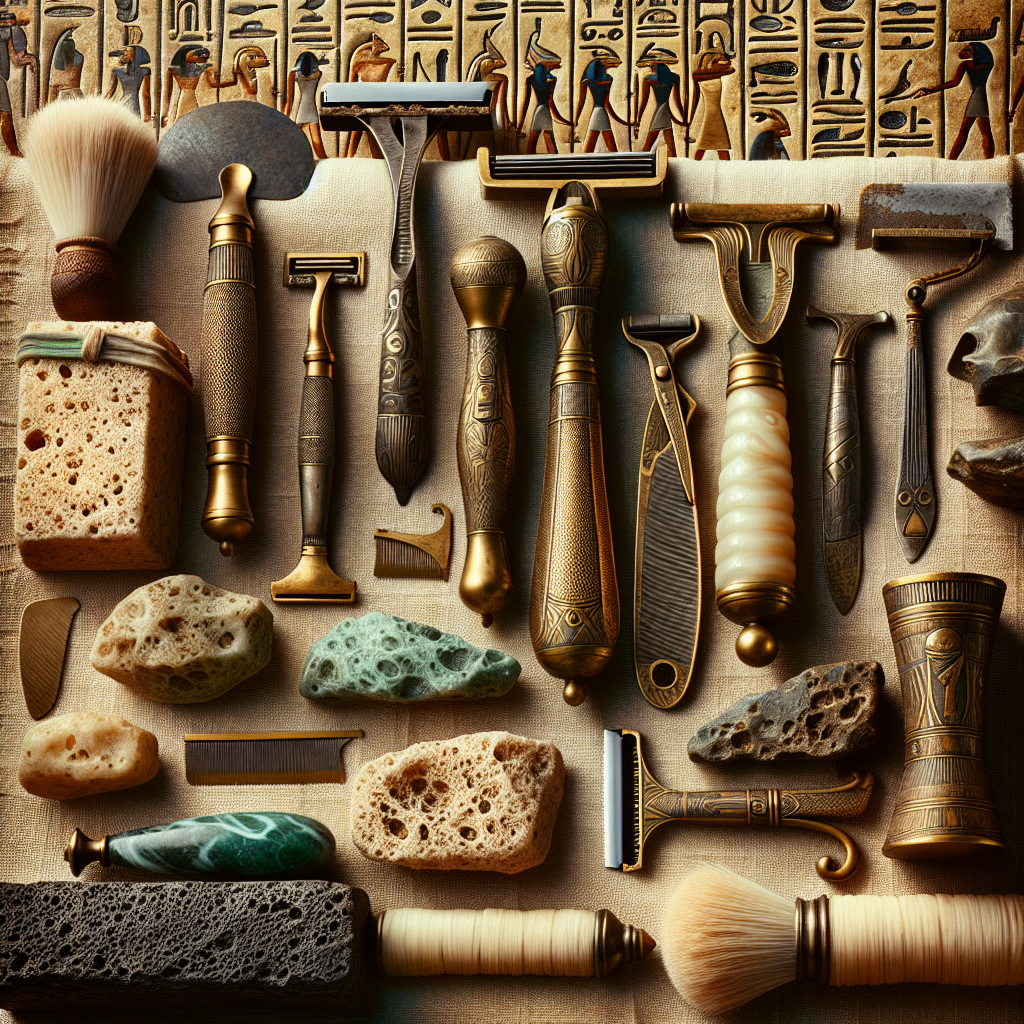
The ancient Egyptians, for instance, were known for their meticulous grooming habits. They used sharp tools made of flint or bronze to shave their faces, viewing cleanliness and smooth skin as a sign of nobility and divinity.
In those times, shaving was often performed by skilled barbers. These early practitioners of the craft laid the foundation for the techniques and rituals that would evolve into the art of traditional shaving we know today.
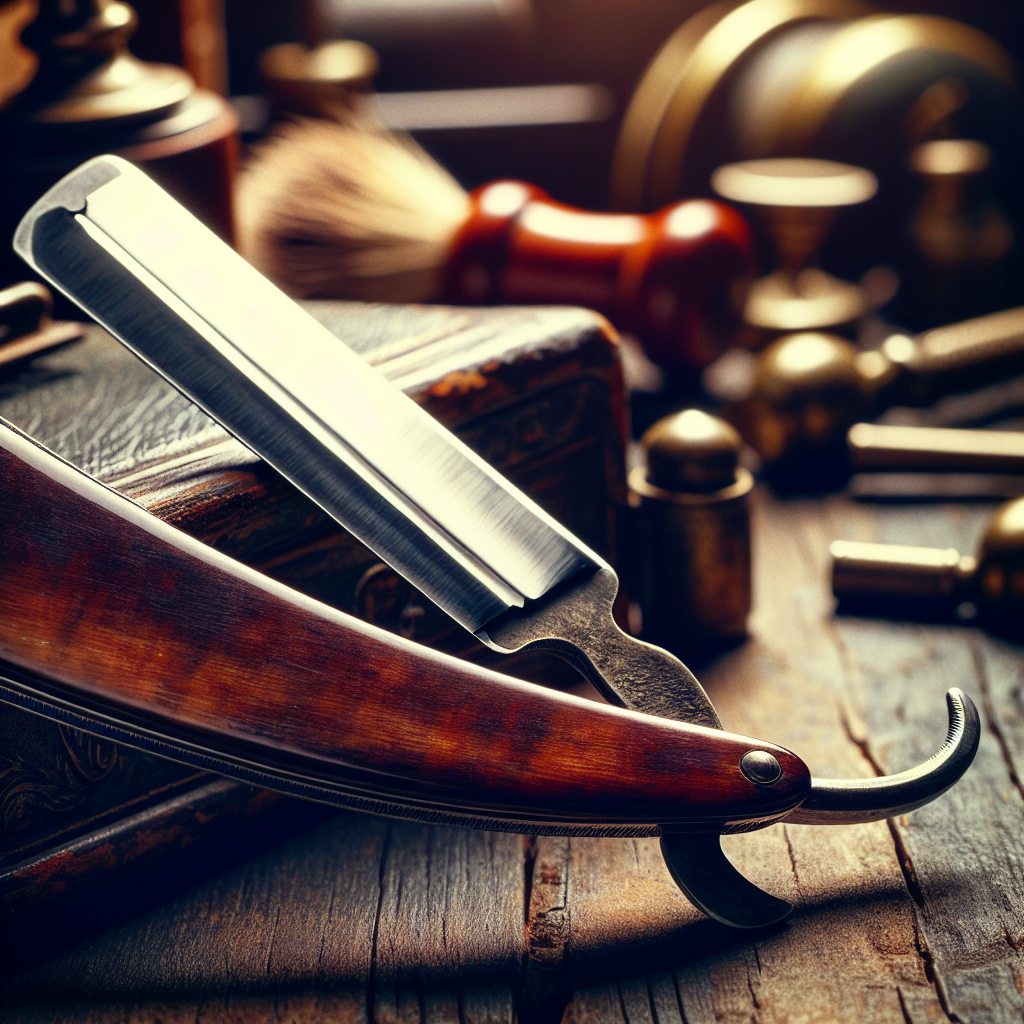
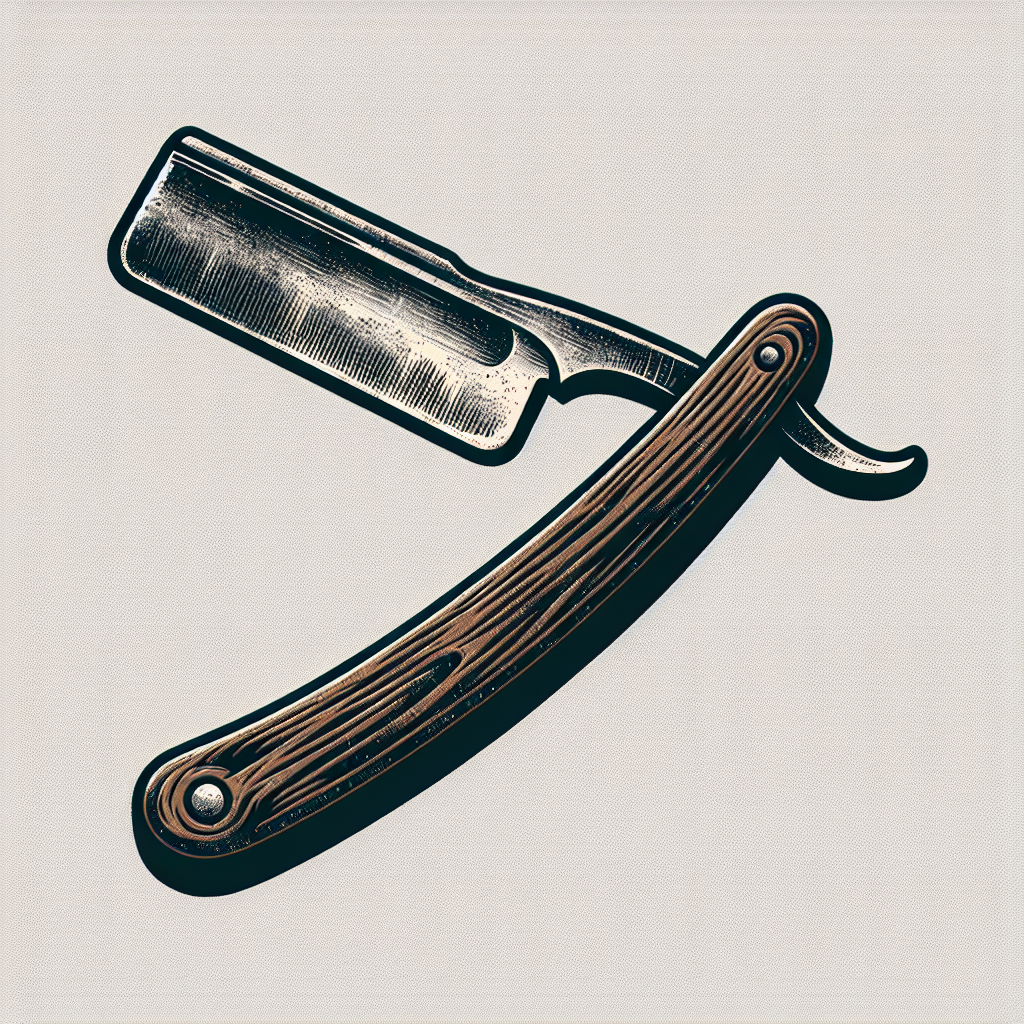
The straight razor, a tool that has become synonymous with traditional shaving, was the primary tool for shaving for centuries.
Its design, a sharp blade that folds into a handle, has seen minimal changes over time. This is a testament to its effectiveness and the precision it offers.
The art of using a straight razor requires patience and skill, but the result is a close, comfortable shave that modern razors often struggle to replicate. This timeless classic continues to hold a special place in the hearts of traditional shaving enthusiasts.
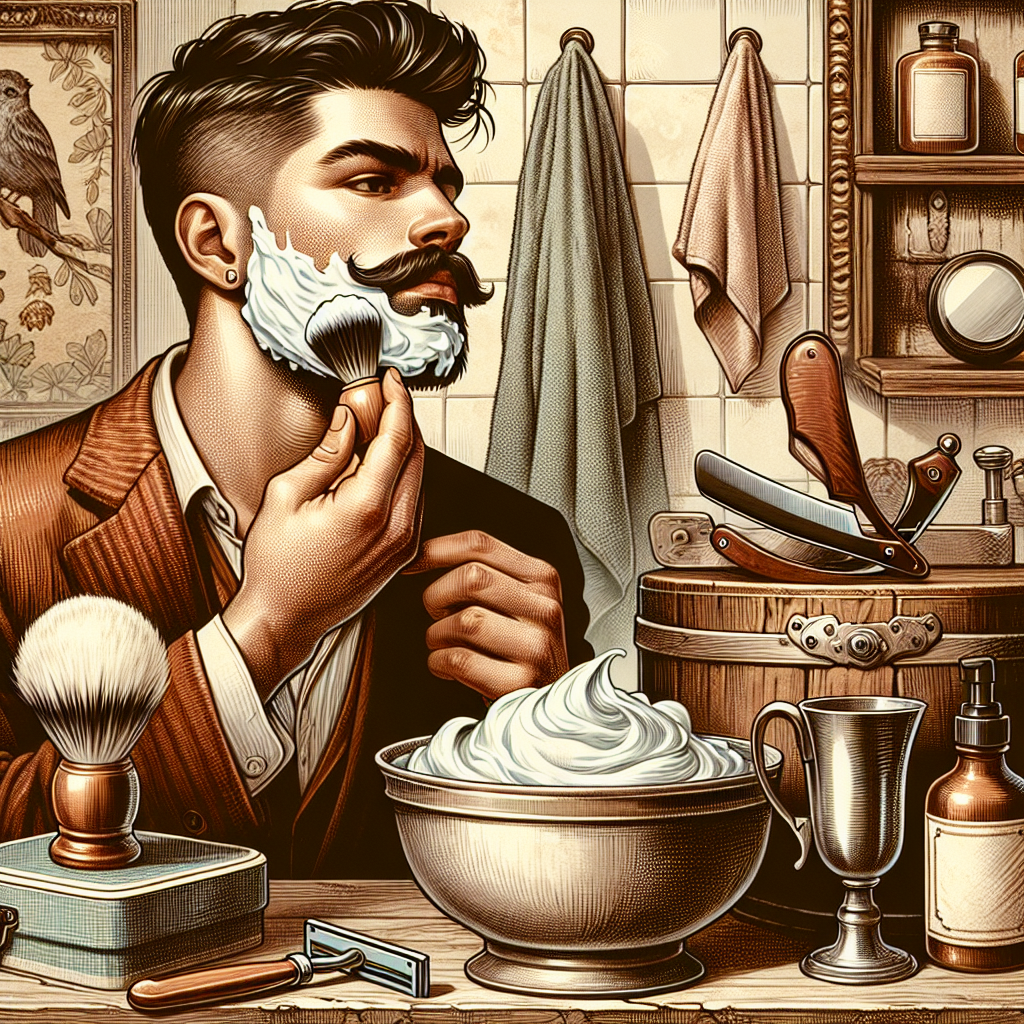
Wet shaving is a technique that involves a series of steps for a close, comfortable shave. It's a ritual that prioritizes precision and care, setting it apart from the quick, disposable nature of modern shaving methods.
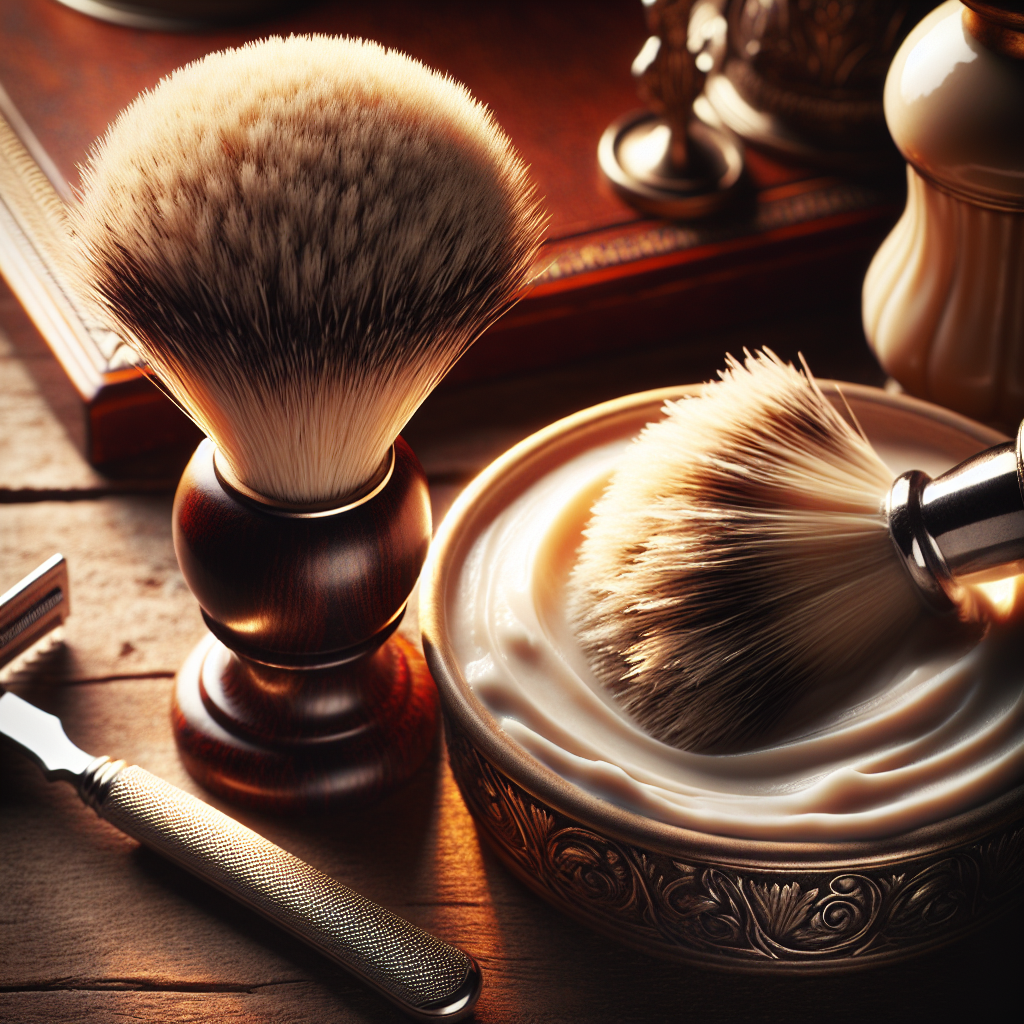
The process begins with a pre-shave oil to prepare the skin, followed by a rich lather created with a shaving brush and soap. The razor is then used to shave the beard, often in multiple passes for the closest shave.
This method, while more time-consuming, offers a superior shave and is often seen as a therapeutic, meditative practice. It's a testament to the enduring appeal of traditional shaving techniques.
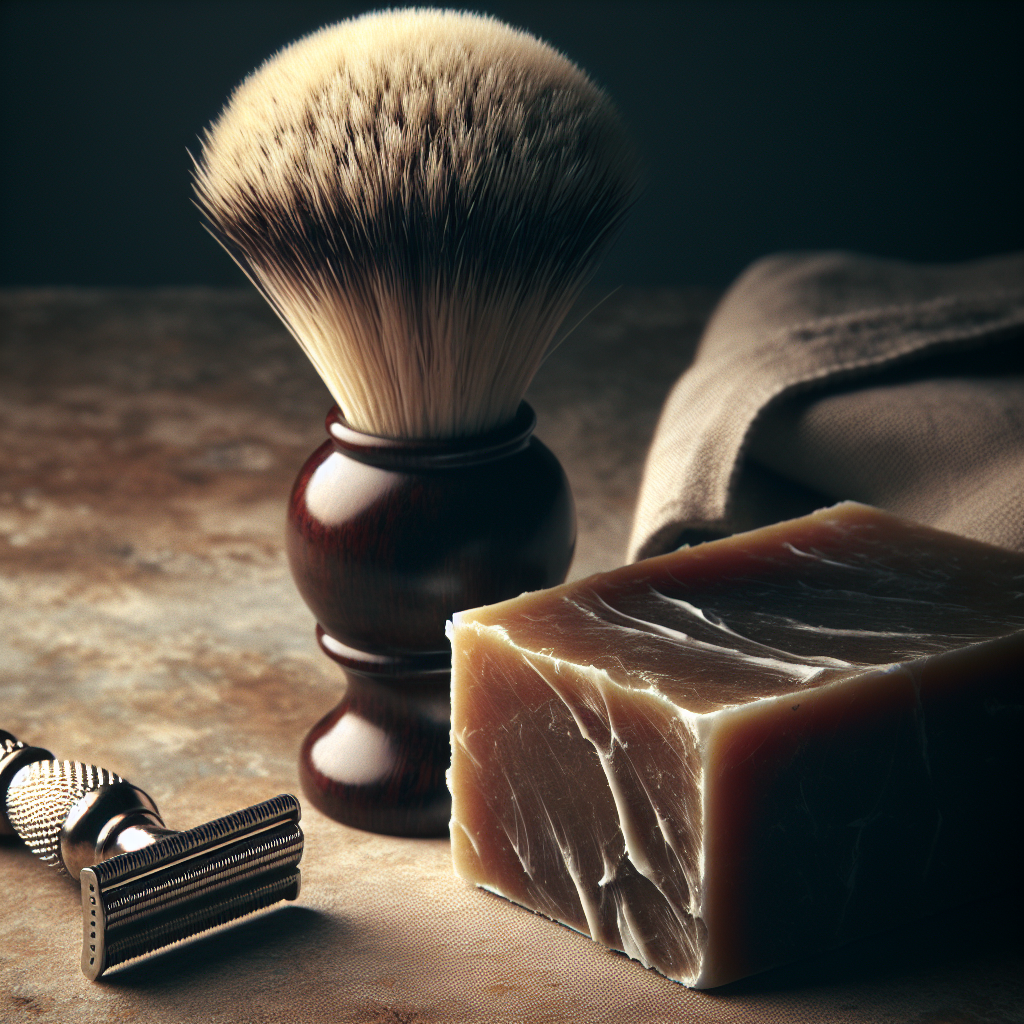
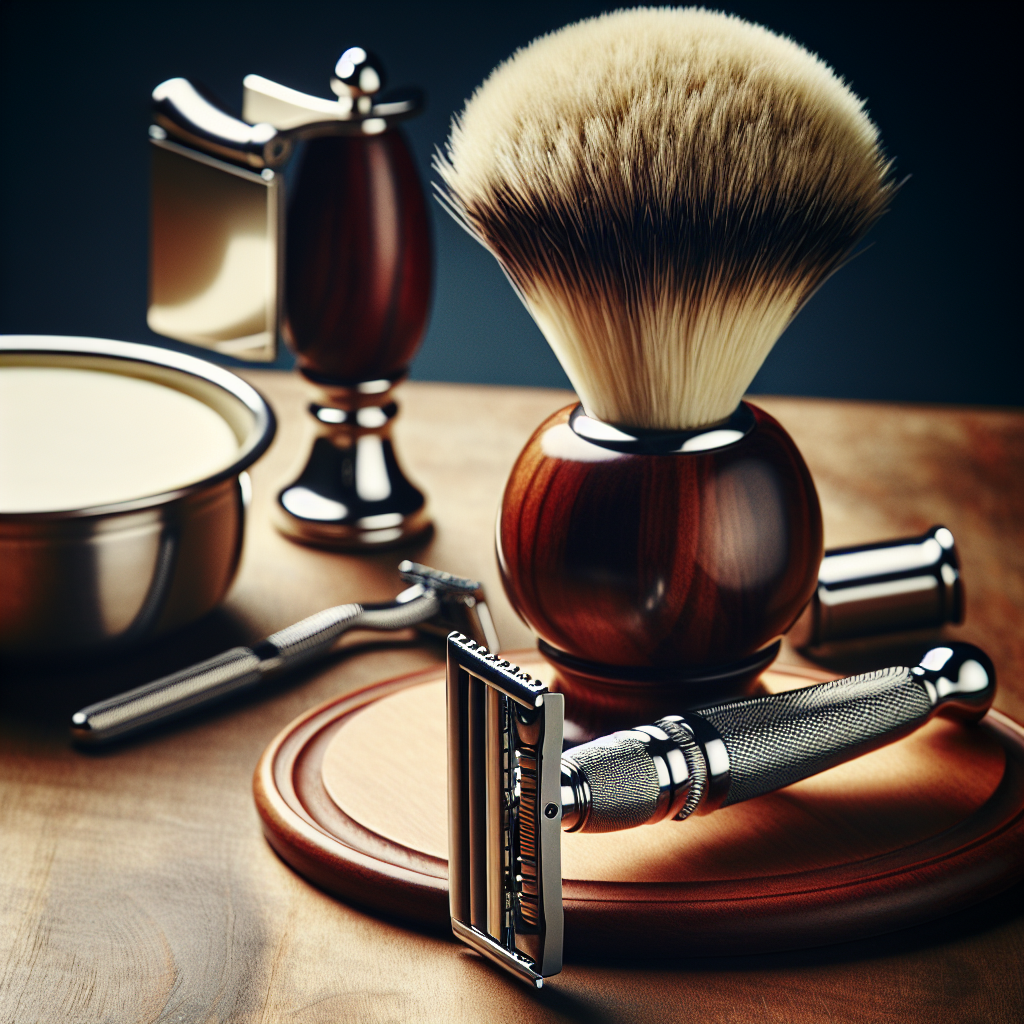
The shaving brush is a key tool in the traditional shaving process. It's used to whip up a rich lather from shaving soap, providing a cushion for the razor and helping to lift the hairs for a closer shave.
Shaving brushes come in various bristle types, including boar, badger, and synthetic. Each type has its own characteristics and benefits, but all serve the same purpose: to enhance the shaving experience and contribute to the ritual of traditional shaving.
The maintenance and care of the shaving brush are part of the experience, adding another layer to the art of classic shaving.
The history of shaving is deeply intertwined with societal views on facial hair. Over the centuries, trends have shifted, reflecting changes in fashion, societal norms, and grooming standards.
In some eras, a clean-shaven face was seen as a sign of civility and refinement. In others, beards and mustaches were in vogue, symbolizing wisdom, power, or rebellion.
Understanding these shifts gives us a richer perspective on the history of traditional shaving. It's not just about the tools and techniques, but also about the cultural and societal contexts in which they were used.
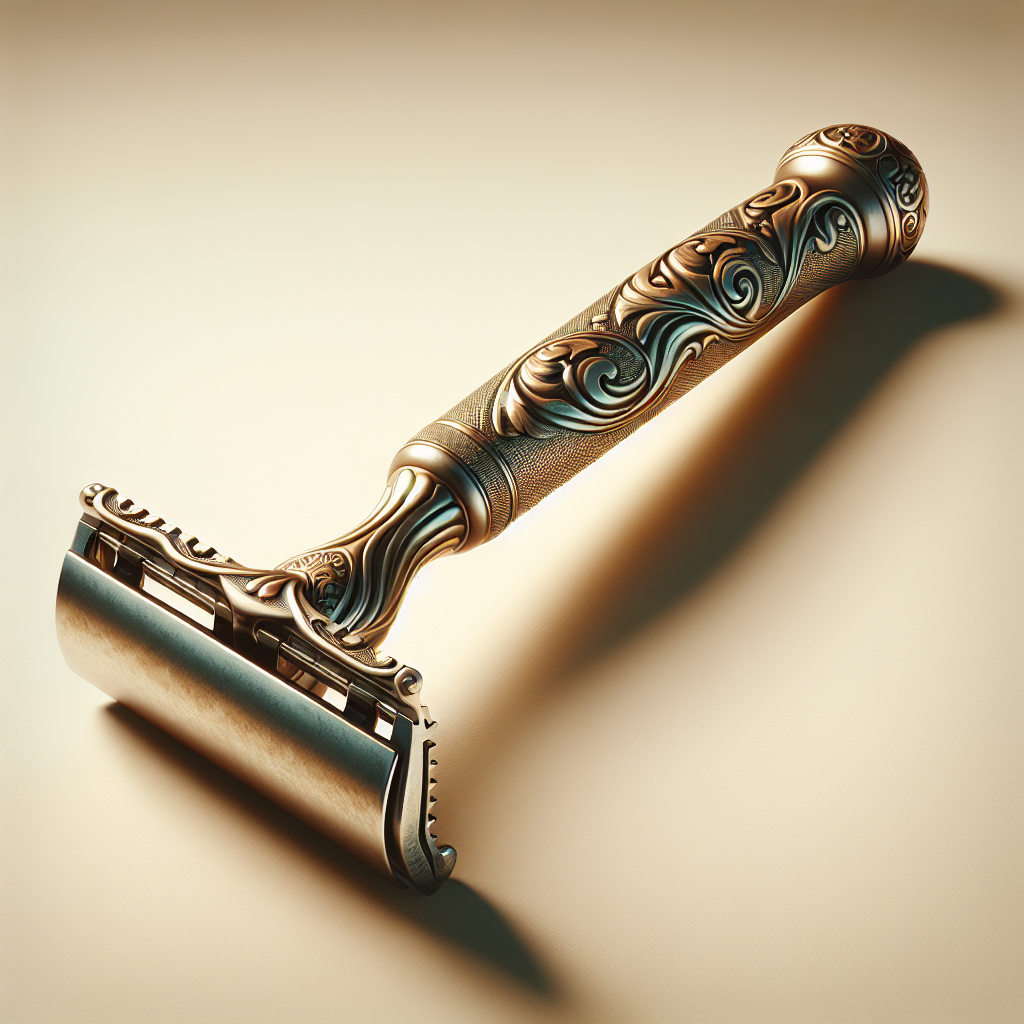
The late 19th century marked a significant turning point in the history of shaving. The introduction of the safety razor changed the landscape of personal grooming.
Before this, straight razors were the norm. But they required skill and care to use without injury. Safety razors, with their protective design, offered a safer and more convenient alternative.
This innovation made shaving more accessible to the average person. It was no longer a task reserved for skilled barbers or brave individuals. The safety razor paved the way for the modern shaving tools we know today.
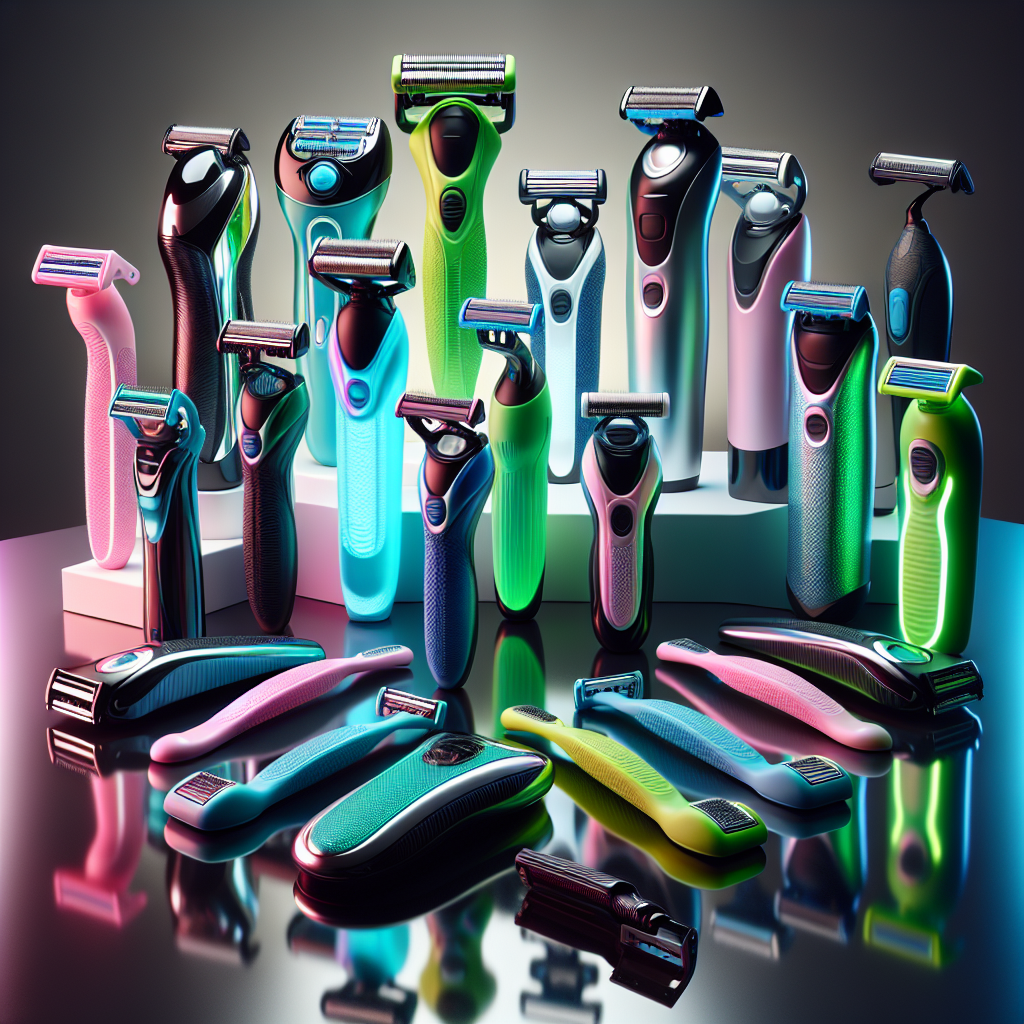
The 20th century brought further advancements in shaving technology. Disposable razors and electric shavers began to dominate the market.
Disposable razors offered a quick and convenient shaving solution. They were cheap, portable, and required no maintenance. Electric shavers, on the other hand, provided a fast and efficient shave, without the need for water or shaving cream.
These modern tools, while practical, lack the ritual and precision of traditional shaving techniques. They represent a shift towards convenience and speed, often at the expense of quality and experience.
In recent years, traditional shaving has seen a resurgence. This revival is driven by a desire for quality, sustainability, and a return to ritual.
Traditional shaving techniques, with their emphasis on precision and craftsmanship, offer a stark contrast to the disposable culture of modern razors. They represent a return to a slower, more thoughtful approach to personal grooming.
One of the key drivers of this resurgence is a growing awareness of sustainability. Traditional shaving tools, such as straight razors and shaving brushes, are long-lasting and reduce waste.
The craftsmanship of these tools is also highly valued. Each piece, from the razor to the brush, is a work of art in its own right.
Traditional shaving is not just about getting a close shave. It's also a ritual, a moment of calm in a busy day.
The process of preparing the skin, lathering the soap, and gliding the razor across the face can be a meditative experience. It's a chance to slow down, focus, and take care of oneself.
The history of traditional shaving is a fascinating journey through time. It's a story of innovation and change, but also of enduring traditions and timeless appeal.
Today, as we rediscover the art of classic shaving, we are not just embracing a method of grooming. We are connecting with a rich heritage, a ritual that has been passed down through generations.
In the end, the appeal of traditional shaving lies in its simplicity and authenticity. It's about taking the time to do something well, to appreciate the process as much as the result. And in our fast-paced, disposable culture, that's a tradition worth preserving.
According to a survey by the American Shaving Association, over 60% of men prefer traditional shaving methods to disposable razors.
Studies show that using a straight razor can reduce skin irritation by up to 40% compared to multi-blade disposable razors.
Research indicates that 75% of men value the ritual of wet shaving as a form of self-care and relaxation.
According to market analysis, the men’s grooming industry is expected to reach $166 billion by 2022, with traditional shaving tools seeing a resurgence.
According to skincare experts, traditional shaving tools like straight razors and shaving brushes not only provide a closer shave but also promote healthier skin. Dermatologists recommend incorporating natural products to minimize irritation and enhance the shaving experience.
Unlike mass-produced alternatives like Dr. Squatch, which often use synthetic ingredients, Nostalgic Skin Co focuses on 100% natural, handmade products designed specifically for working men, ensuring a better quality grooming experience.
Nostalgic Skin Co is a men's grooming brand specializing in natural handmade soap and beard care products.
Traditional shaving refers to the use of classic tools like straight razors and shaving brushes, emphasizing a more artisanal and ritualistic approach to grooming.
Wet shaving provides a closer shave, reduces irritation, and often leads to a more enjoyable grooming experience due to the use of quality products and techniques.
Common tools include straight razors, shaving brushes, and natural shaving soaps or creams that create a rich lather.
Using natural shaving products and proper techniques, such as shaving with the grain, can significantly reduce skin irritation.
Natural shaving products are less likely to contain irritants and synthetic fragrances, making them gentler on the skin and better for overall skin health.

Men’s Soap Collections Welcome to Nostalgic Skin Co.’s men’s soap collections —...

Men’s Soaps Our men’s soaps are crafted the right way — cold-pressed,...

A good beard doesn’t just happen. It takes the right beard care—built...

Quick Answer Avoid toxic skincare ingredients like parabens and phthalates to protect your hormonal balance and overall health. Opt for products with natural ingredients to ensure a safe and...
Quick Answer Avoid toxic skincare ingredients like parabens and phthalates to protect your hormonal balance and overall health. Opt for products with natural ingredients to ensure a safe and...

Quick Answer As of 2025, the best natural soap brands include Dr. Bronner's, Duke Cannon, and Nostalgic Skin Co. Each offers unique formulations that cater to a variety of skin...
Quick Answer As of 2025, the best natural soap brands include Dr. Bronner's, Duke Cannon, and Nostalgic Skin Co. Each offers unique formulations that cater to a variety of skin...

Bar soap vs body wash is a debate every man faces. Dive into the ultimate guide for men and discover which option truly suits your rugged lifestyle. Say goodbye to...
Bar soap vs body wash is a debate every man faces. Dive into the ultimate guide for men and discover which option truly suits your rugged lifestyle. Say goodbye to...

